Home/Commercial & Large Loss
Commercial & Large Loss

A hundred units, a hundred inspections, one claim.

Condominium and apartment communities, commercial buildings and multi-structure sites — assessed building by building and consolidated into a single documented scope the board, the manager and the carrier can all work from.

Why large properties get underpaid

Scale is the problem. A storm crosses a forty-building community and the damage is real but uneven — some roofs failed, some are fine, siding is damaged on the weather elevations, water got into an unpredictable subset of units.

Documenting that properly takes days of systematic work. What frequently happens instead is a fast inspection of a few representative buildings, extrapolated across the site. Sometimes that is close. On a large loss, it often isn't — and once a number is established it is very hard to move without documentation to move it with.

The documentation is the leverage.

On a large loss nobody is going to take the board's word for it. A defensible number requires the inspection record to back every line — which is exactly the work that gets skipped when a site is big.

How we assess a multi-building site

Site surveyEvery building identified and mapped, construction types and roof systems catalogued, damage patterns established across elevations.
Building by buildingRoofs, envelopes, common elements and unit interiors documented with photographs and measurements against the site map.
One consolidated scopeAll of it reconciled into a single Xactimate® estimate the board, manager and carrier can work from together.

What we assess

Property types

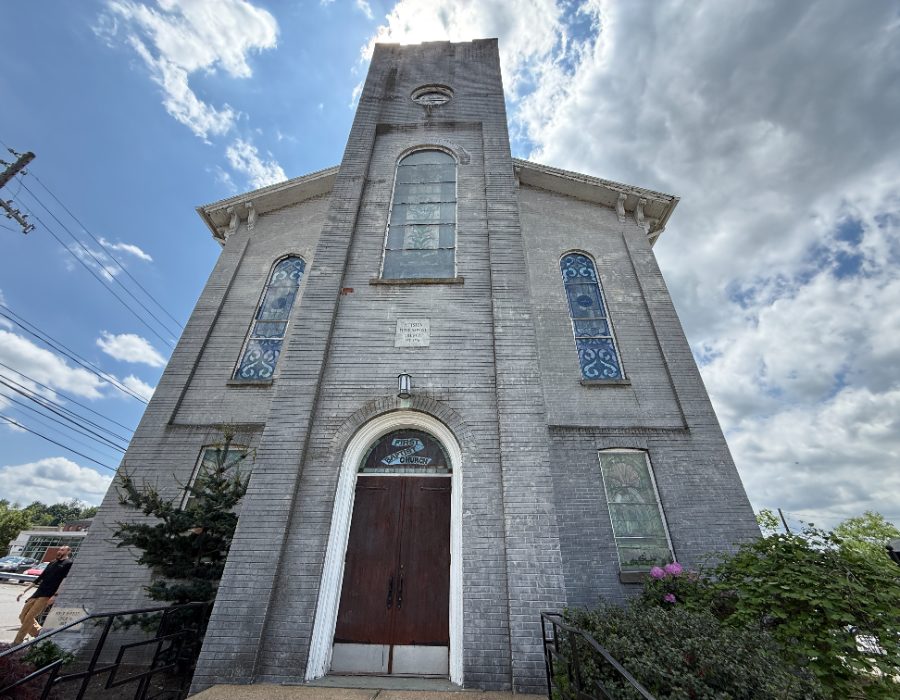
Condominium and apartment communities, HOAs, commercial buildings and mixed portfolios — plus churches and institutional properties, where original masonry, slate and stained glass make a generic scope useless.
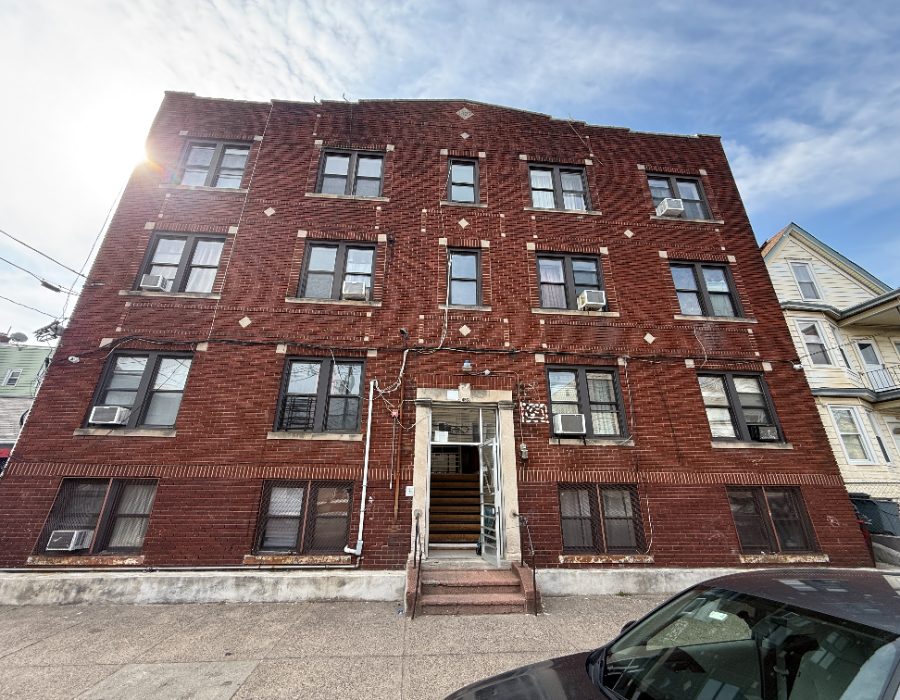
Brick apartment building inspected after storm damage
Apartments
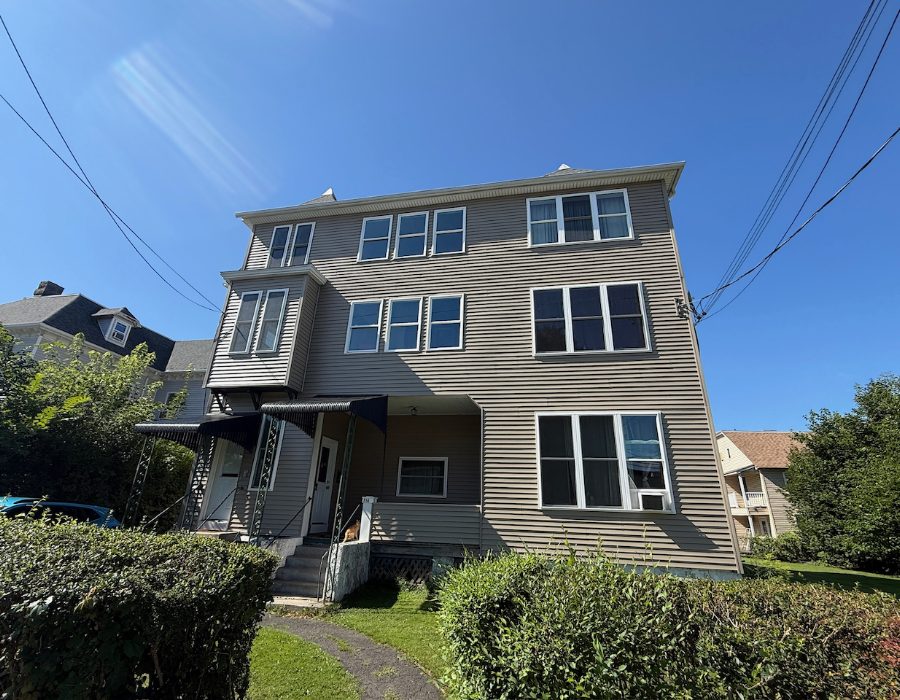
Three-story multi-family residence assessed for storm damage
Multi-family
Historic masonry church inspected for storm and water damage
Institutional

Who we work with

Community association boards and their property managers, commercial owners and portfolio managers, and the attorneys who represent them. We also handle large-loss assignments for carriers and IA firms who need the same site assessed from their side.

Where a large-loss claim is already in dispute, the same assessment supports an appraisal — and where it has gone further, an expert opinion. As always, one role per claim.

Coverage area

Pennsylvania, New Jersey and New York, plus Florida, Indiana, North Carolina and Texas. Large commercial and catastrophe assignments regularly involve travel — tell us where the property is.

Common questions

Questions we get on this

Who handles the claim for a condominium association after a storm?

The association is the named insured on the master policy, so the board — usually through its manager — handles the claim for the common elements and whatever the master policy covers inside units. What the master policy covers versus what unit owners carry varies by state and by the association’s governing documents, which is one of the first things worth establishing.

How do you inspect a property with a hundred units?

Systematically, and building by building. Roofs and envelopes are assessed across the whole site, elevations documented, and unit interiors inspected on a basis that fits the damage pattern — sometimes every unit, sometimes a documented representative sample extended across identical building types. The result is one consolidated scope, not a hundred loose reports.

Our manager says the carrier already inspected. Why get an independent assessment?

Because the carrier’s adjuster is documenting the loss for the carrier. On a large multi-building site the difference between a fast walk of a few representative roofs and a full site assessment can be very large. An independent assessment gives the board its own documented number to evaluate the offer against.

Can you work with our property manager and contractor?

Yes, and it usually goes better that way. The manager knows the site history and the contractor knows the buildings. We stay in the assessment and estimating role — we do not bid the repairs, which keeps the number independent of who performs the work.

Related services

Get in touch

Storm damage across a community or commercial site?

Tell us the property — number of buildings, construction type and what happened. We’ll scope the assessment and give you a timeline.